
Reverse Circulation
Fast sample return. Broader coverage.
Reverse circulation drilling returns representative rock-chip samples to surface for geological analysis. It supports exploration programs where drilling speed, cost per metre and broad coverage are central to the objective.
Our Approach
Built around sample quality, coverage and site conditions
We align the rig, compressor capacity, drill string, sampling setup and field support to the geology, target depth, site access and sampling objectives of each program.
Reverse Circulation Programs

Configured for the Project
What We Bring
Reverse Circulation capabilities
Our RC capabilities combine experienced crews, engineered equipment and flexible configurations to support demanding exploration programs.
Sample Return
Diverse Fleet
Engineered Equipment
Rod Handling

How Reverse Circulation Works
From hole to sample
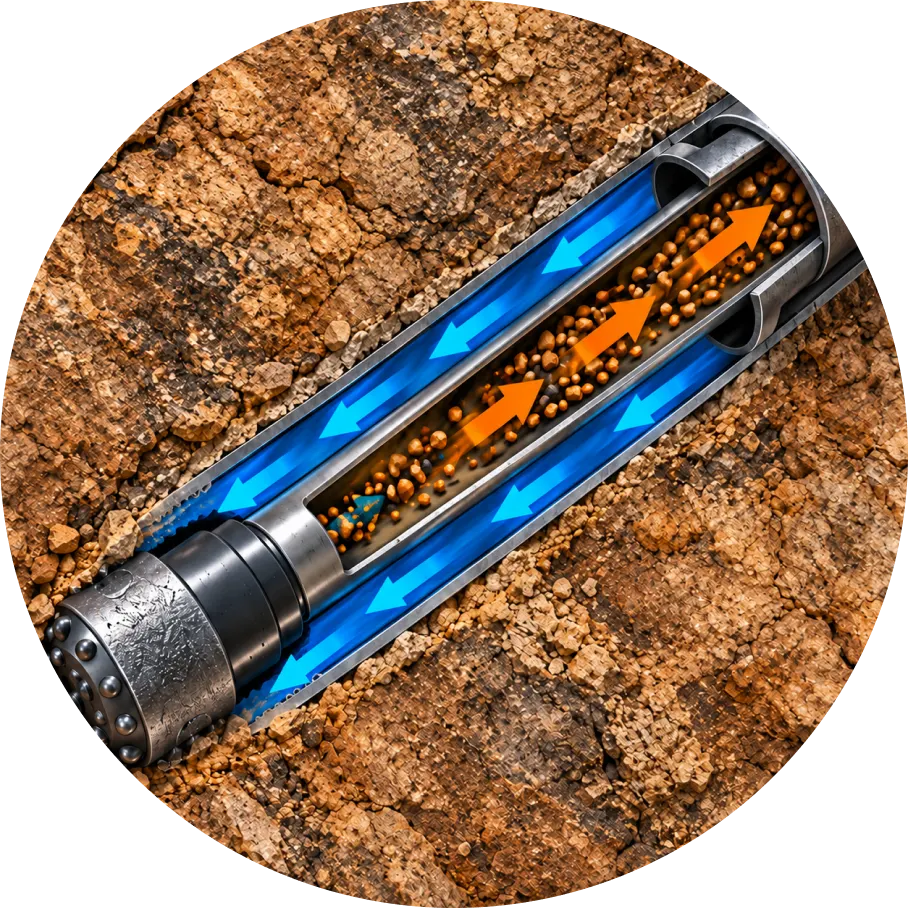
Reverse circulation drilling uses compressed air and a dual-wall drill string to return rock chips from the bit face to the surface. The material moves through the sampling system for separation and collection, producing representative chip samples for geological analysis.
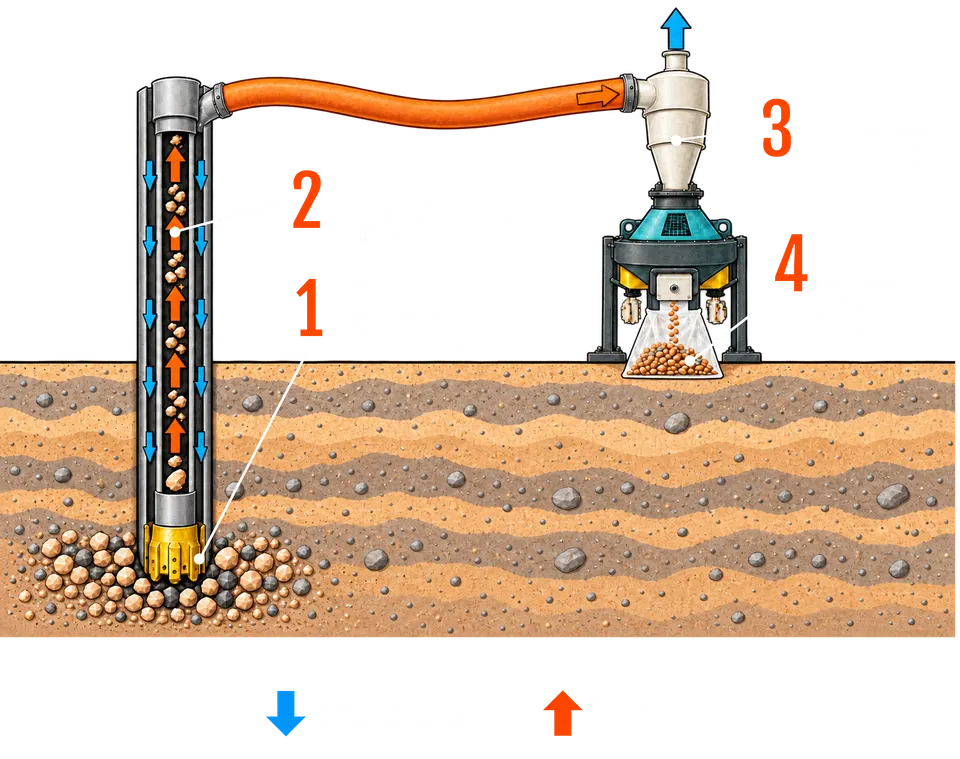
The controlled return path keeps the sample moving directly from the hole to the collection point, supporting consistent sample handling across the program.
RC Methods and Field Setup
Equipment and field execution aligned to the program
We configure the drilling system and field support around the geology, depth, access and sampling objectives of each program. The rig, compressor, drill string and sampling setup work together to maintain sample return and support efficient field execution.
Method
Dual-wall drilling
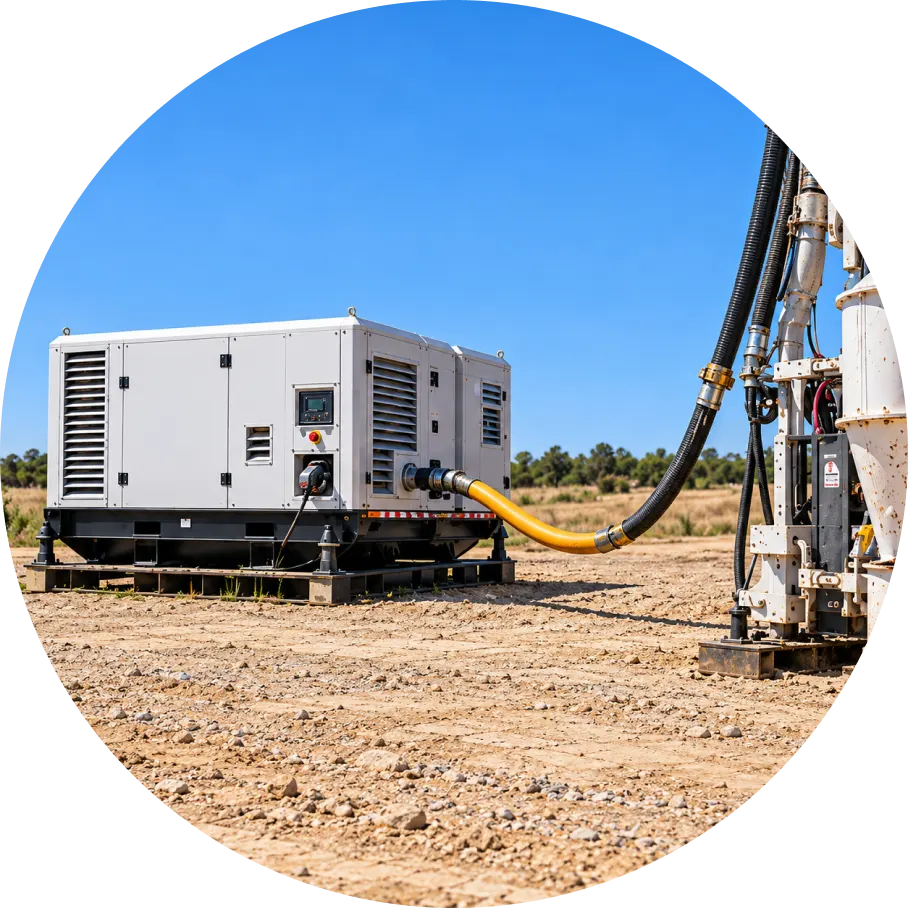
Method
Air and compressor support
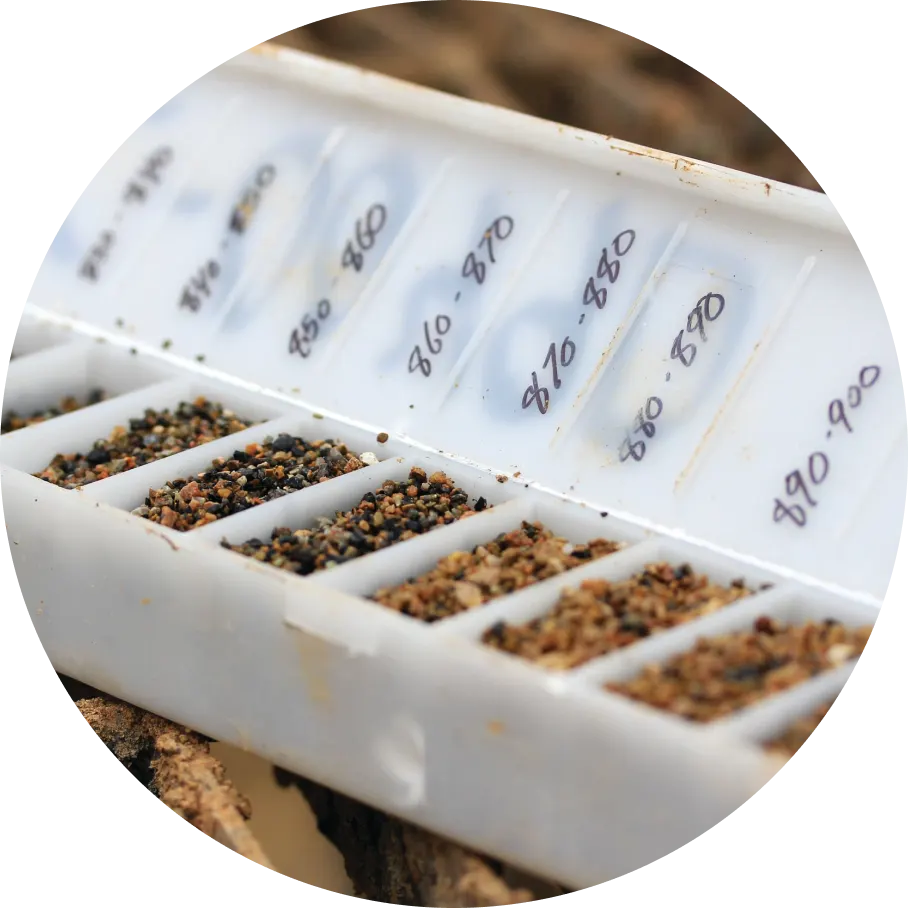
Method
Sample handling
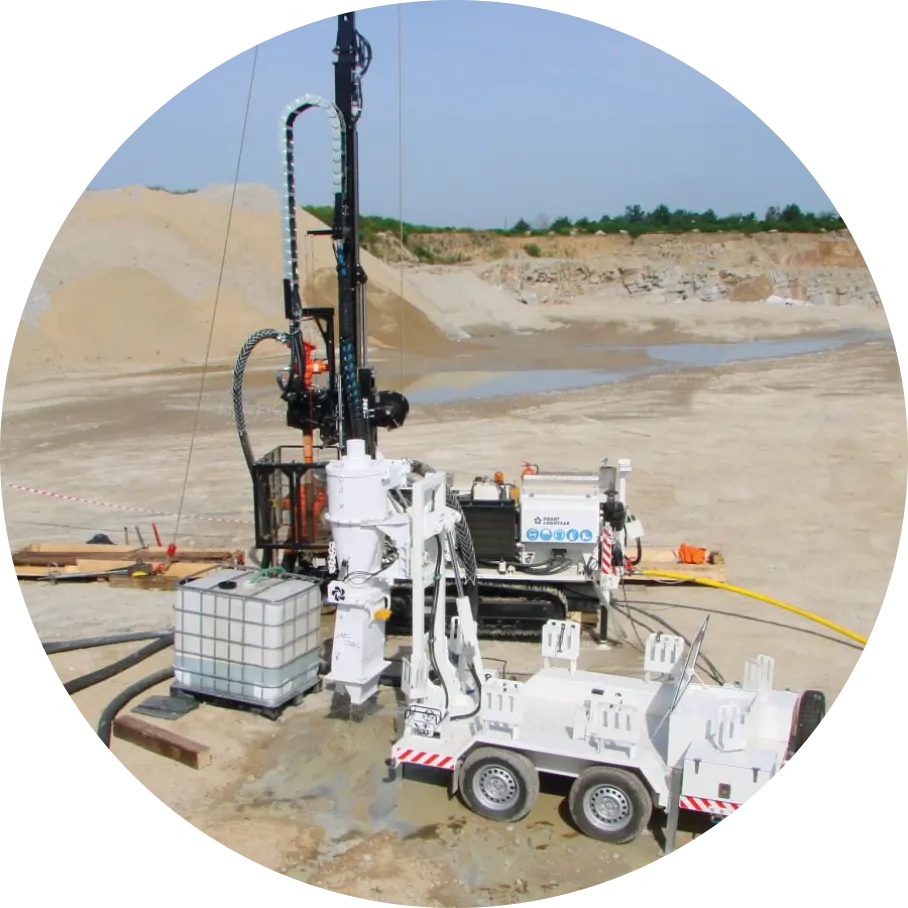
Method
Mobile configurations
Our RC fleet includes multiple rig sizes and depth capacities up to 4,000 feet (1,219 metres), supported by in-house engineering, equipment upgrades and rod-handling technology.
Our Technical Expertise
Ground conditions, techniques and tooling
Our locally trained and certified reverse circulation crews bring extensive knowledge of ground conditions, drilling techniques and tooling. They use that experience to align the drilling approach and rig configuration to the project objectives and site conditions.
Experienced RC Crews

Local Talent, Global Strength
Our Experience
Reverse Circulation expertise
Our people, equipment and operating practices support safe, reliable RC programs. Progressive safety programs, field-designed innovations and risk-management processes help our teams work consistently across project locations.
Up to 4,000 Feet
RC fleet depth capacity up to 4,000 feet (1,219 metres).
Experienced Crews
Locally trained and certified RC crews backed by global technical expertise and equipment.Wedges, motors and survey tools selected around the required correction.
Safety + ReliabilityCoordinated Execution
Field-designed safety innovations, world-class training programs and equipment tested for compliance and reliable performance.Locally trained and certified RC crews backed by global technical expertise and equipment.
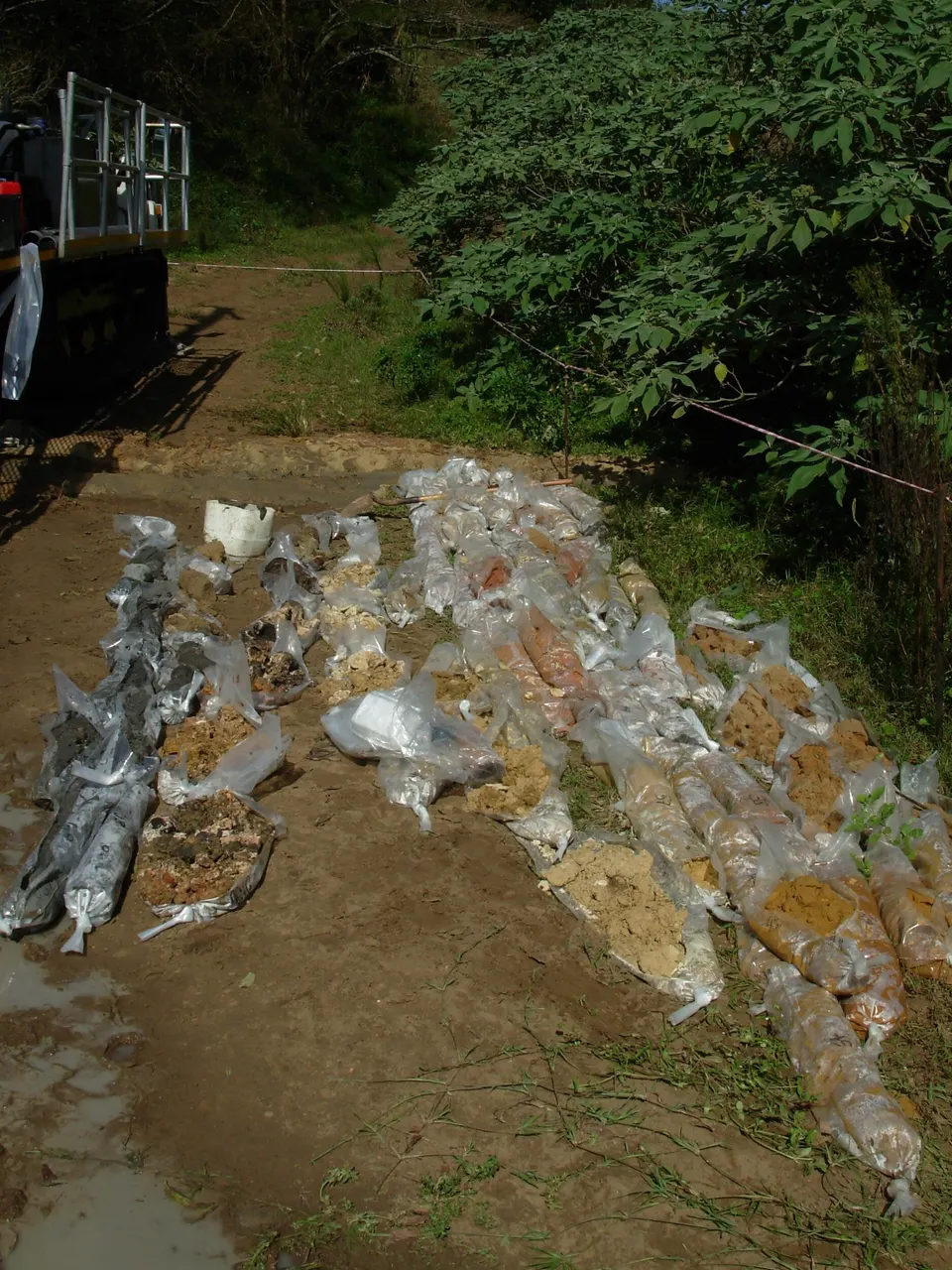
Project highlights
Drilling within site constraints
Explore a municipal water-well project where drilling configuration and noise control shaped the approach.
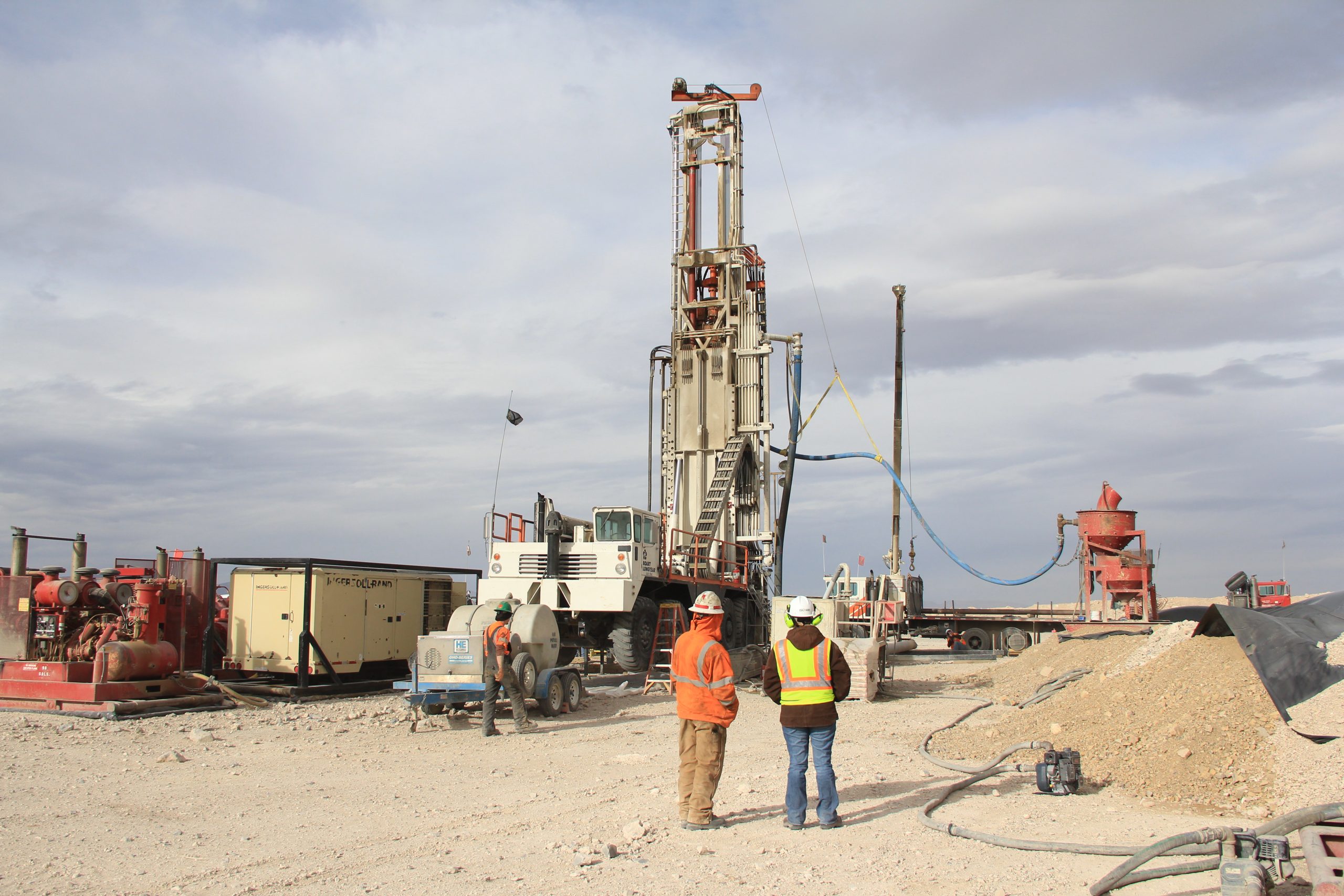
Electric Rotary Drilling Meets 65 dBA Residential Noise Limit
Our Capabilities
Related Capabilities
Explore related drilling capabilities that may support your program.
Surface Coring
Sonic Drilling
Related Resources
Case studies and resources
Explore examples of our drilling expertise in action.
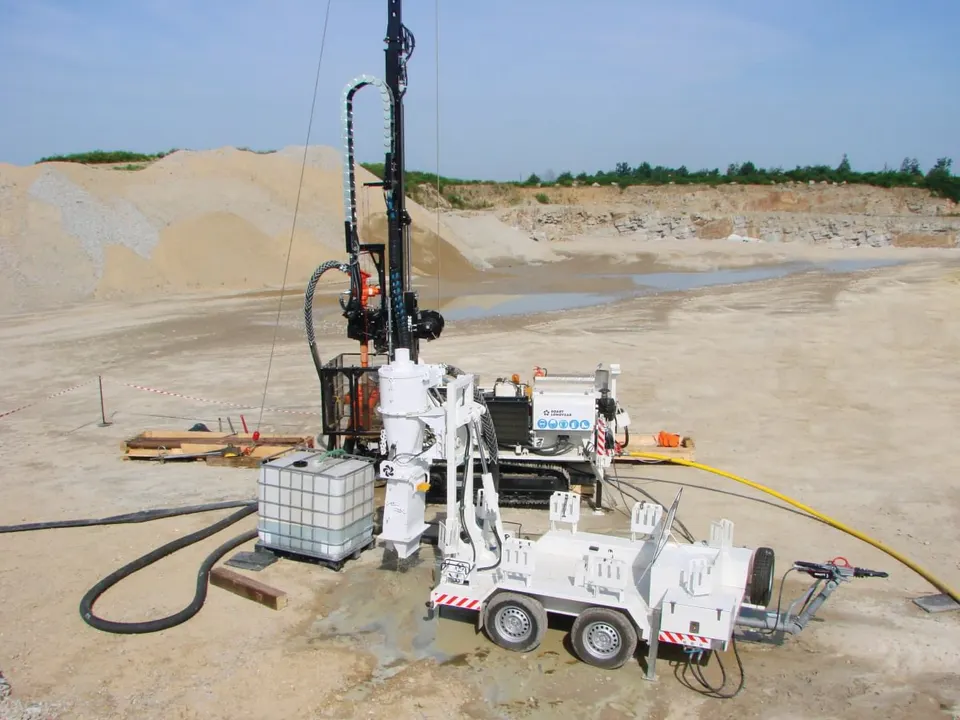
Reverse Circulation Drilling: When Timely Sample Return Matters
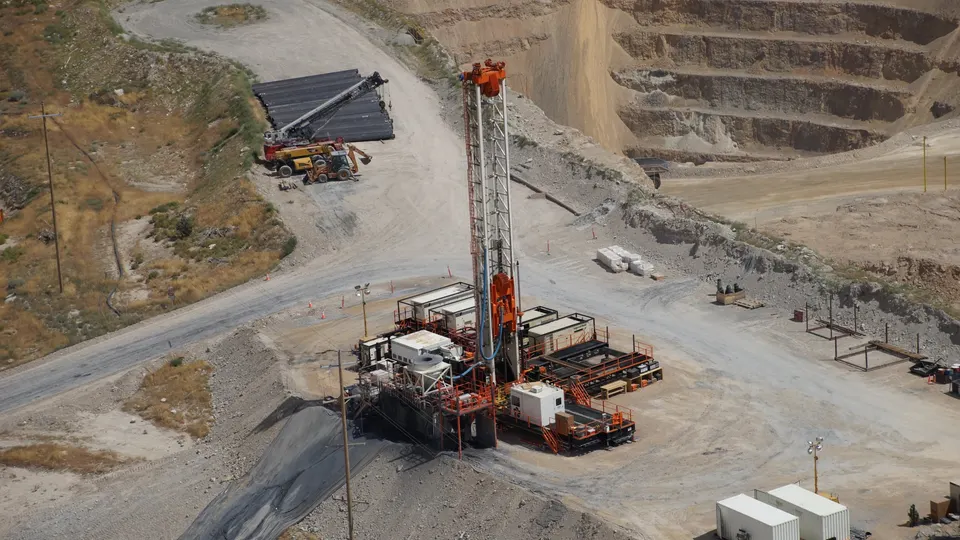
Drilling Methods Overview
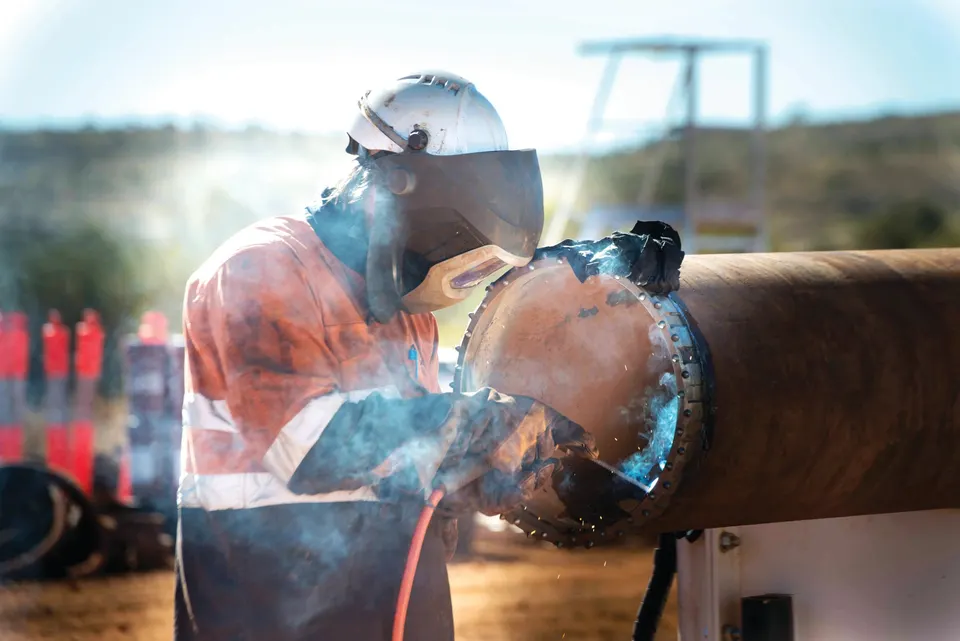
Rotary Drilling: Applications and Site Considerations
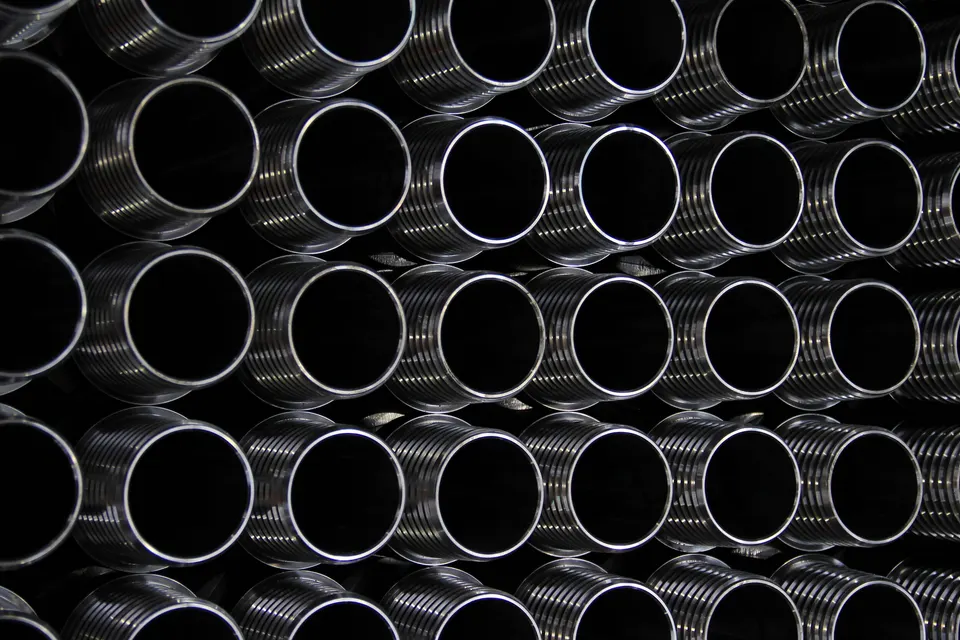
From Ground to Sample
From field conditions to the right RC setup
Tell us the project objectives, ground conditions, site access and drilling requirements. We can help align the RC approach, equipment and field support to the work.