
Case Study
Electric Rotary Drilling Meets 65 dBA Residential Noise Limit
Boart Longyear used an electric/hydraulic rotary drilling system and site controls to complete a municipal water well in a residential area while meeting a 65 dBA noise limit.
Executive snapshot
- Client
- Mountain Regional Water
- Service Used
- Rotary Drilling
- Operating Environment
- Residential mountain area
- Project Outcome
- Below 65 dBA
Project Requirements
What the project required

Project Conditions
Drill a deep bedrock municipal well in a residential neighborhood with access, lighting and community constraints.
Technical Requirement
Keep drilling-related noise within the 65 dBA zoning threshold while completing the well.

Operational Requirement
Finish before the holiday season while a nearby production well was unavailable and drilling operated around the clock.
Operational Challenge
What made the project challenging
The well had to be drilled around the clock in a residential setting without adding meaningful noise above existing ambient conditions.
Project Condition
The site sat within a residential neighborhood with difficult access and lighting considerations.
Technical Constraint
Local requirements limited noise to 65 dBA, leaving very little allowable increase above ambient levels.
Operational Pressure
The winter deadline, 24-hour drilling and community oversight required careful scheduling and mitigation.
Boart Longyear Approach
How Boart Longyear approached the work
-
Experienced Crews
The client credited the Boart Longyear team’s professionalism and technical expertise, with District staff included from initial safety planning through completion and cleanup.
-
Method And Equipment Planning
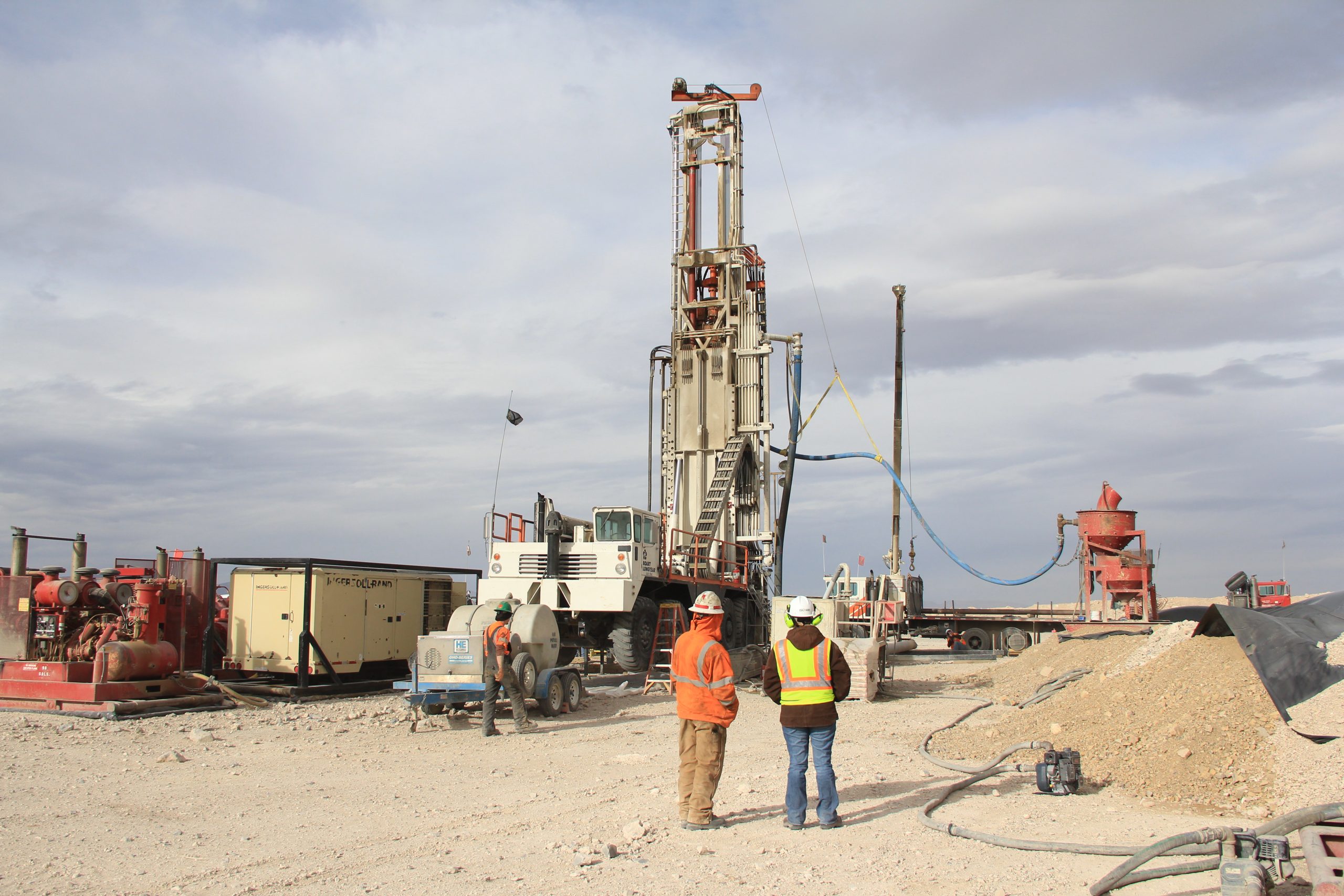
Boart Longyear used an LR175 electric/hydraulic rotary drill with a quiet genset and self-contained electric mud system instead of a typical diesel/hydraulic rig.
-
Equipment And Tooling
Sound-attenuation curtains enclosed three sides of the site, and air-dump mufflers were installed on the drilling rig.
-
Safety Systems And Field Controls
Spotters replaced backup alarms, nighttime lighting used small shop lights, and the site was maintained in a safe, clean and orderly condition.
-
Site Planning
Shift changes were scheduled for 7:00 a.m. and 7:00 p.m.; deliveries and unnecessary tool-impact noise were restricted to daytime hours.
-
Technical Supervision
Ambient noise was documented before drilling, then operational noise was measured at four locations to evaluate compliance and residential impact.
-
Regional And Field Support
Boart Longyear and District personnel carried out community education and door-to-door outreach explaining the project and its mitigation measures.
-
Execution Discipline
The team maintained around-the-clock drilling and the required mitigation measures with no recordable downtime or noise-ordinance violations.
-
Quality / Project Outcome
Average noise measurements remained well below the threshold; the completed well tested at 1,500 gpm and the project finished under budget.
Outcome / Proof
What the work delivered
Below 65 dBA
Measured drilling noise remained well below the required threshold, with no recorded violations.
1,500 gpm
The completed well tested at 1,500 gallons per minute, above the client's expectations.
Completed Under Budget
The project was completed without recordable downtime or community disruption and came in under budget.
Why It Mattered
Impact
Electric drilling and site controls enabled a high-producing municipal well to be completed in a sensitive residential setting with minimal community impact.
Related Capabilities
Services connected to this project
Rotary Drilling
Explore how this capability can support your drilling program.
Explore Rotary Drilling >
Reverse Circulation Drilling
Explore how this capability can support your drilling program.
Explore Reverse Circulation Drilling >
Water Production Drilling
Explore how this capability can support your drilling program.
Explore Water Production Drilling >Case Studies
Related proof
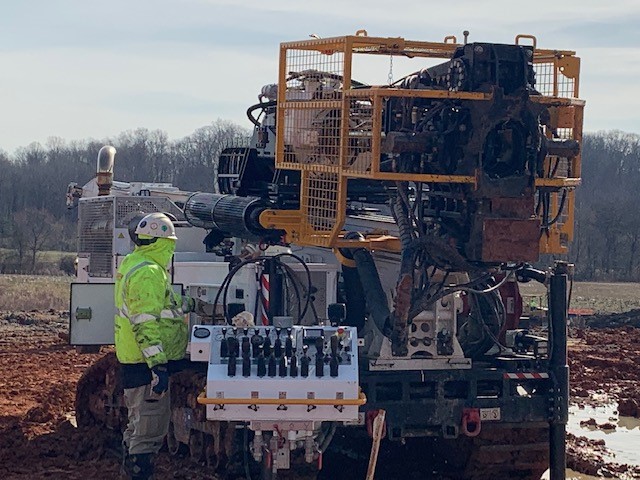
DTFR Water-Well Drilling Reaches Target Depth With Less Than 1% Deviation
Boart Longyear used dual-tube flooded reverse circulation drilling in the Pilbara to complete large-diameter mine water wells while controlling circulation, discharge water and hole deviation.
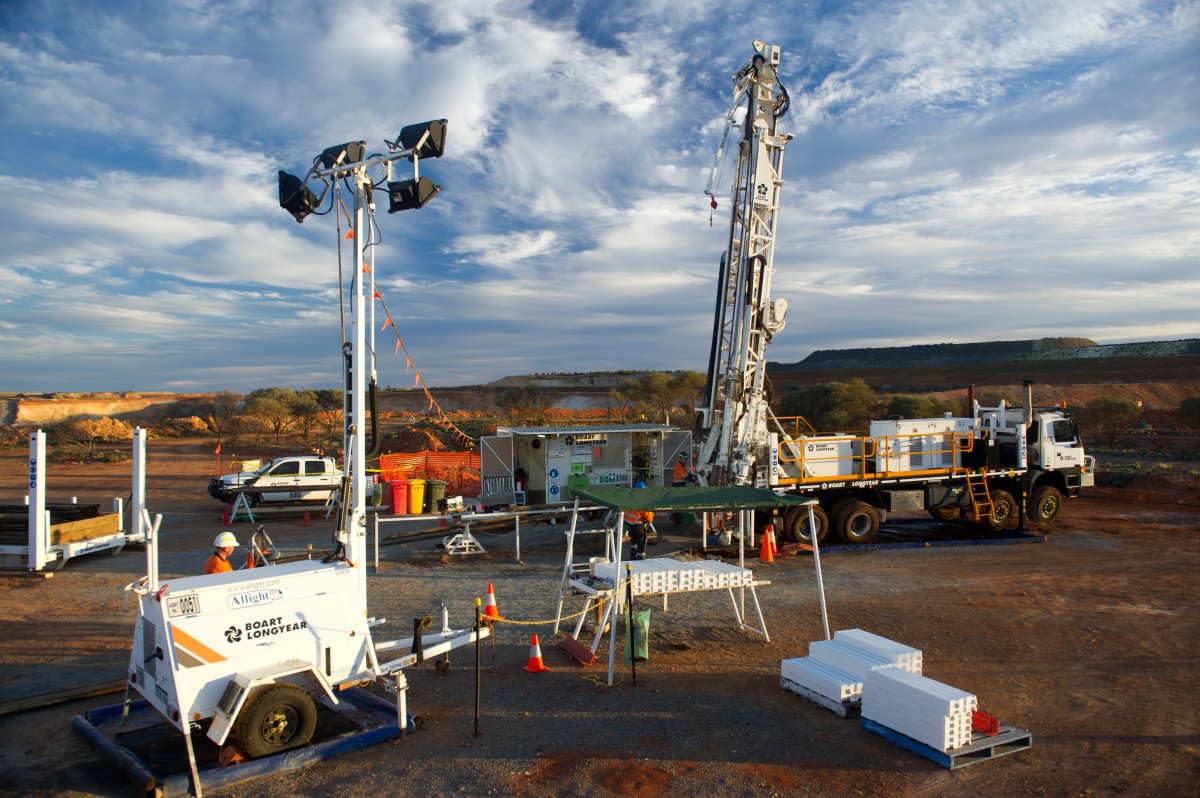
Paste Fill Hole Reaches 2,152 ft in a One-Shot Pass
At Paulsens Gold Mine, Boart Longyear drilled a 656 m paste fill hole in one pass, reaching the target in 39 shifts and intersecting within 2.1 m of center.
Canadian Coring Program Averages 98.39% Core Recovery With Zero Re-Drills
Boart Longyear completed 218 holes and about 18,000 m of drilling for CNRL-Albian Sands while averaging 98.39% core recovery with zero re-drills and zero injuries.
Let’s talk
Have a similar project requirement?
Talk with Boart Longyear about the method, equipment, and field support needed for your drilling program.