
Case Study
Sonic Wells Recover 6,100 oz of Gold From a Heap Leach Pad
Boart Longyear used sonic sampling and targeted solution wells to identify and reactivate dry zones in a large Nevada heap leach pad, contributing to 6,100 ounces of recovered gold.
Executive snapshot
- Client
- Nevada gold operation
- Service Used
- Sonic Drilling
- Operating Environment
- Heap leach pad
- Project Outcome
- 6,100 oz recovered
Project Requirements
What the project required

Project Conditions
Identify dry zones created by compacted layers within a 400 ft heap leach pad.
Technical Requirement
Use continuous sonic cores to locate moisture and ore, then install targeted solution wells at the correct depths.

Operational Requirement
Work above the pad liner and cycle solution through multiple vertical zones without compromising the boreholes.
Operational Challenge
What made the project challenging
Compacted layers inside the heap leach pad were creating dry zones where leaching solution could not reach valuable mineralized material.
Project Condition
Repeated 50 ft lifts had compressed lower layers and created a dam effect within the pad.
Technical Constraint
The team needed accurate depth-based moisture and lithology information to target dry zones and exposed ore.
Operational Pressure
Solution wells had to stay intact while packers and screens were repositioned through repeated injection-and-rest cycles.
Boart Longyear Approach
How Boart Longyear approached the workThe Boart Longyear approach
-
Experienced Crews
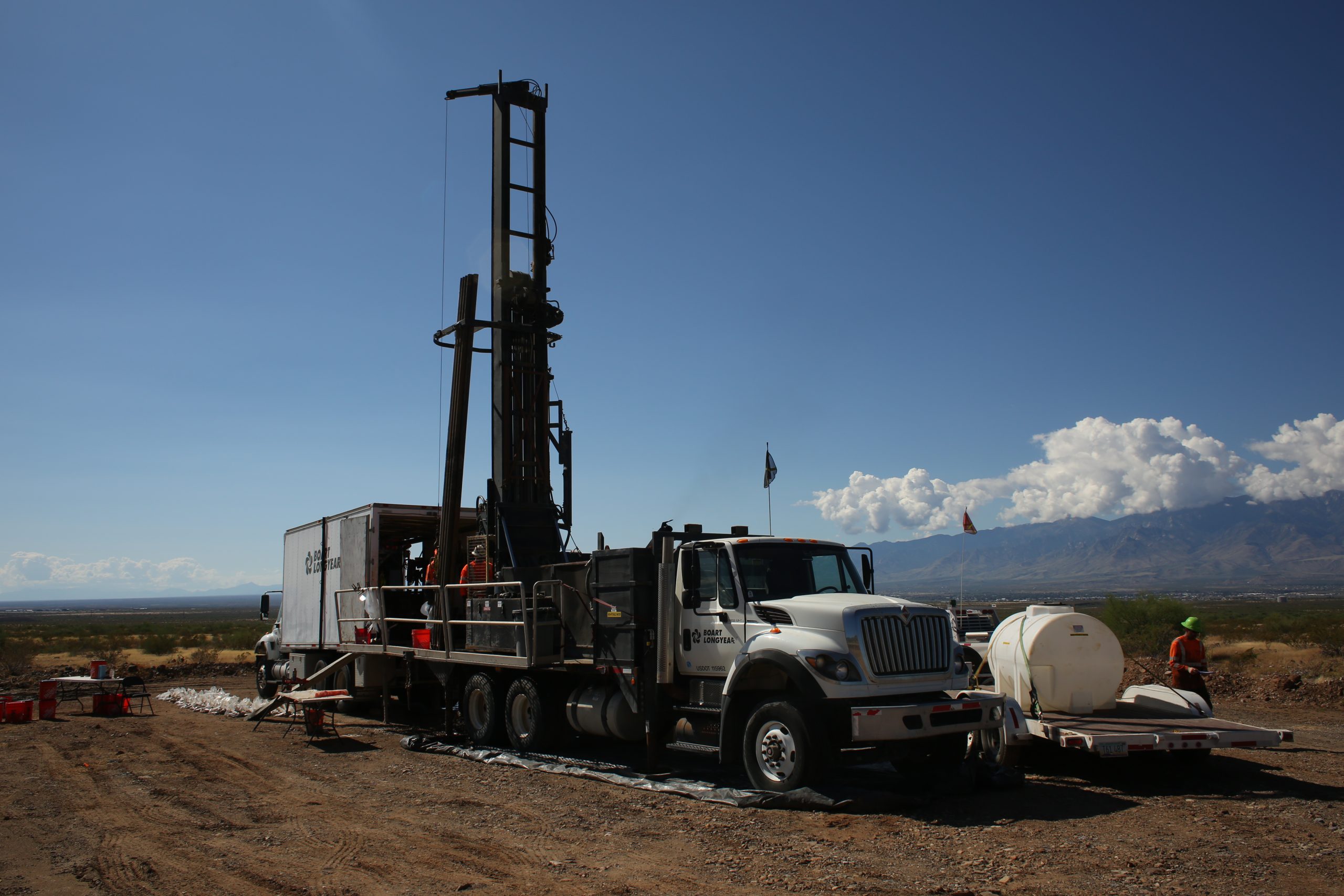
Using the LS600 sonic rig, crews combined continuous core sampling with installation of targeted solution-enhancement wells in the 400-plus-foot heap leach pad.
-
Method And Equipment Planning
Test holes were drilled to 350 ft and stopped 50 to 75 ft above the liner; continuous cores identified the depths of dry zones, moisture and exposed ore.
-
Equipment And Tooling
The wells used 4.5-inch flush-threaded casing, upper and lower k-packers, and a 100-foot injection screen positioned between the packers.
-
Safety Systems And Field Controls
Test holes maintained 50 to 75 ft of clearance above the liner, while the flush-threaded casing kept each borehole intact during repeated well operations.
-
Site Planning
Sampling locations and well intervals were selected around the 50-foot lifts, compacted layers and dry zones identified from continuous cores.
-
Technical Supervision
Core information defined dry-zone depths, lithology, moisture concentration and exposed ore before solution intervals were positioned.
-
Regional And Field Support
Field teams repositioned the k-packers and injection screen so each well could deliver solution at bottom, middle and top intervals spanning 100 ft each.
-
Execution Discipline
Each interval followed an eight-week cycle of four weeks of solution and four weeks of rest before the packers and screen moved to a new depth.
-
Quality / Project Outcome
Over three years, 55 gravity-flow wells contributed to 6,100 oz of gold, approximately $8 million in value, 70-day payback and 400% IRR.
Outcome / Proof
What the work delivered
6,100 oz of Gold
The program contributed to recovery of 6,100 ounces of gold from the heap leach pad.
~$8M Value / 70-Day Payback
At the article's stated gold-price assumption, recovered gold equated to about $8 million and the project paid for itself within 70 days.
400% IRR
The client realized a reported 400% internal rate of return.
Why It Mattered
Impact
Targeted sonic sampling converted hidden dry zones into measurable recovery opportunities with rapid payback and strong return.
Related Capabilities
Services connected to this project
Sonic Drilling
Explore how this capability can support your drilling program.
Explore Sonic Drilling >
Surface Coring
Explore how this capability can support your drilling program.
Explore Surface Coring >
Water Production Drilling
Explore how this capability can support your drilling program.
Explore Water Production Drilling >
Dewatering
Explore how this capability can support your drilling program.
Explore Dewatering >Case Studies
Related proof
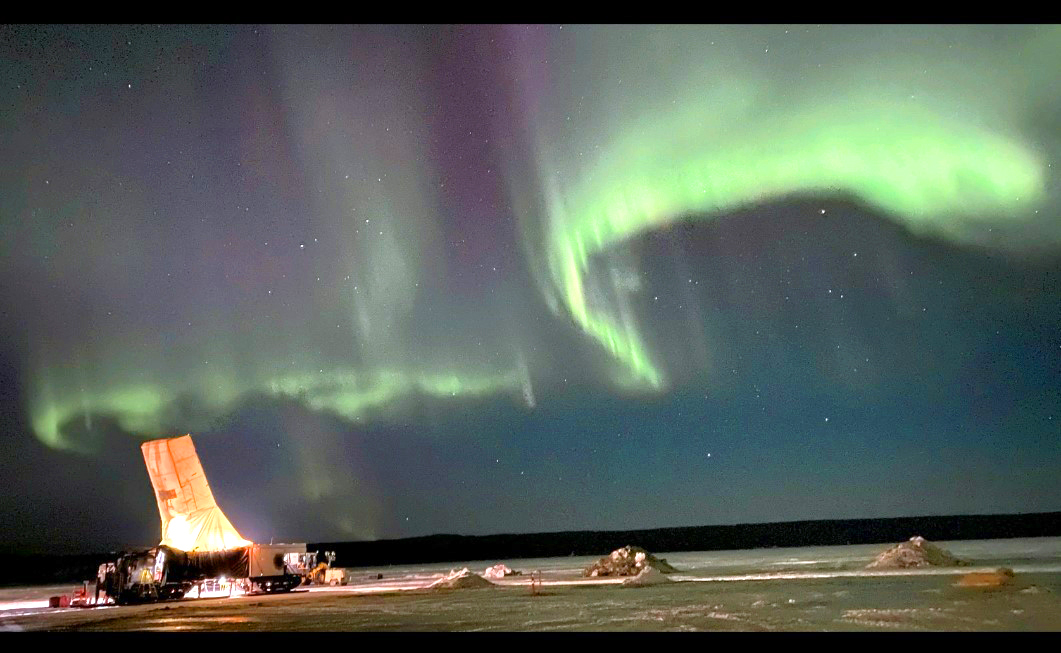
Sonic Drilling Reaches 900 ft With Less Than 1% Deviation
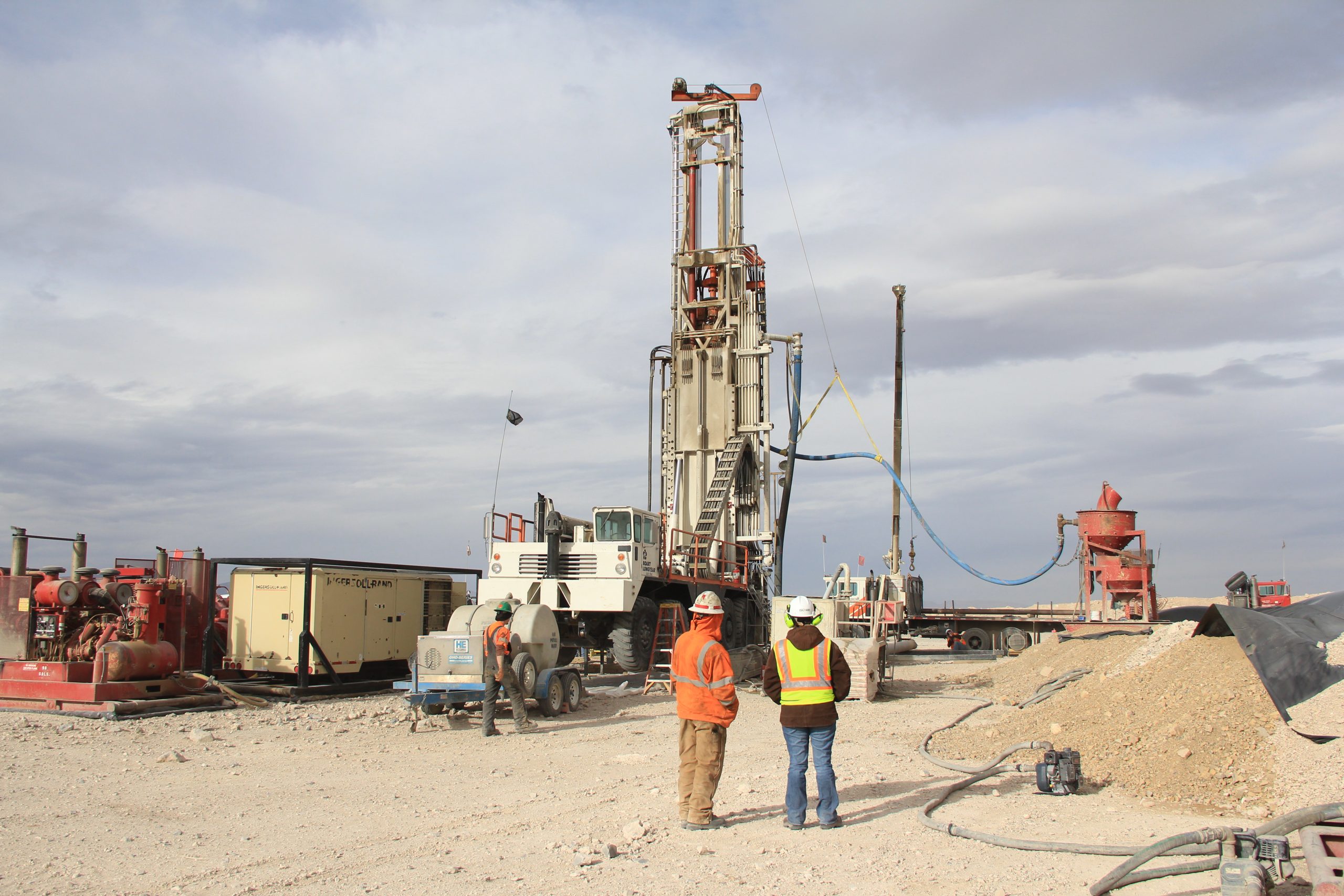
At Bingham Canyon Mine, Boart Longyear used sonic drilling to reach a record 900 ft through unconsolidated waste rock while maintaining 100% in-situ samples and less than 1% deviation.
Paste Fill Hole Reaches 2,152 ft in a One-Shot Pass
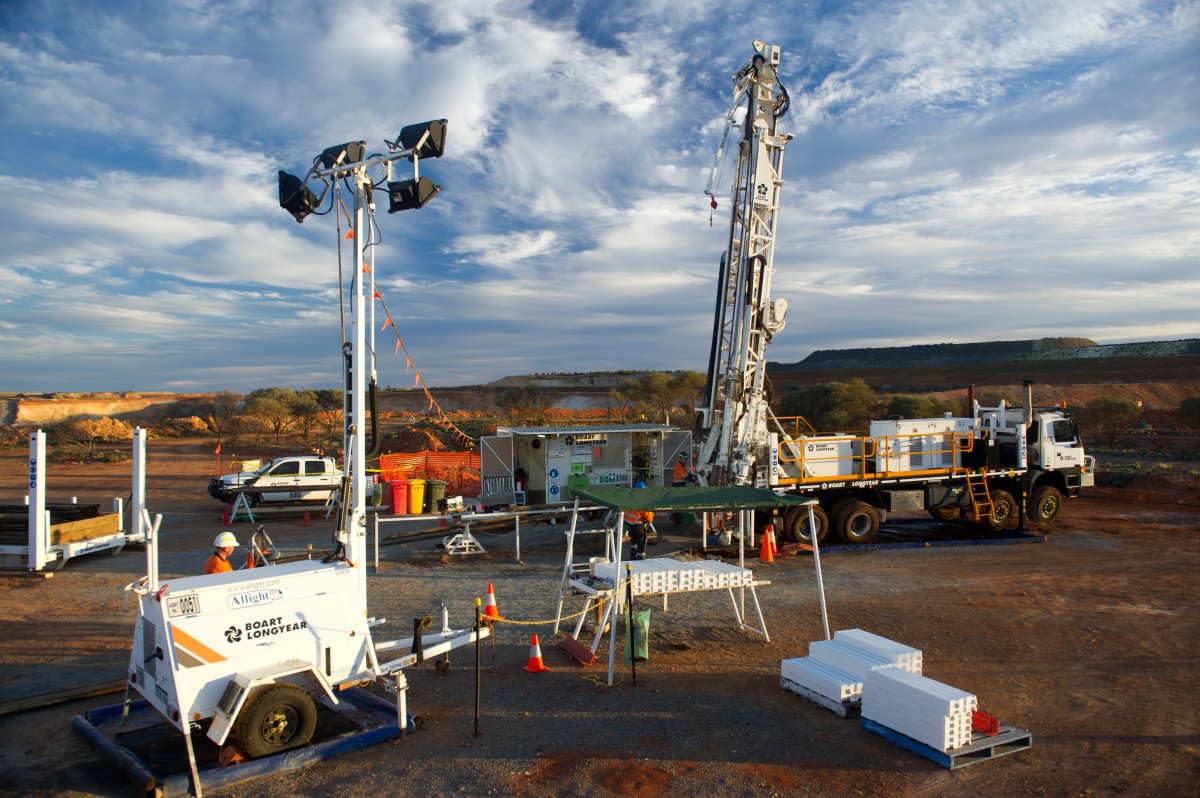
At Paulsens Gold Mine, Boart Longyear drilled a 656 m paste fill hole in one pass, reaching the target in 39 shifts and intersecting within 2.1 m of center.
Electric Rotary Drilling Meets 65 dBA Residential Noise Limit
Boart Longyear used an electric/hydraulic rotary drilling system and site controls to complete a municipal water well in a residential area while meeting a 65 dBA noise limit.
Let’s talk
Have a similar project requirement?
Talk with Boart Longyear about the method, equipment, and field support needed for your drilling program.